3609 Jamison Way Castro Valley, CA 94546


Completing your Invisalign treatment feels like a major victory — and it absolutely is. But here is the truth many patients in Hayward don’t expect: your Invisalign journey isn’t over: why retainers are non-negotiable in Hayward is a conversation every patient needs to have before they finish their last aligner tray. Teeth have a natural tendency to drift back toward their original positions. Without a retainer, all that hard work can slowly reverse itself.
At Castro Valley Advantage Dental, Dr. Matthew Yuen guides every Invisalign patient through the retention phase. It is just as important as the alignment phase itself. Understanding why retainers matter — and how long you need to wear them — helps you protect your investment for years to come.
Why Teeth Move After Invisalign: The Science of Relapse
When Invisalign moves your teeth, it does more than shift enamel. It reorganizes the bone and periodontal ligaments surrounding each tooth. These structures need time to stabilize in their new positions. Until they do, your teeth are vulnerable to something called orthodontic relapse.
Orthodontic relapse is when teeth gradually migrate back toward where they started. This process can begin within days of stopping treatment. The speed varies from person to person, but no one is fully immune. Even patients who had perfect results are at risk without proper retention.
The periodontal ligament acts like a memory foam mattress for your teeth. It remembers the original position and tries to return there. A retainer applies just enough gentle pressure to prevent that from happening. Think of it as your smile’s long-term maintenance plan.
Types of Retainers and Which One Is Right for You
Not all retainers are the same. Dr. Yuen will recommend the best option based on your specific treatment results and lifestyle. The two most common types are removable and fixed retainers.
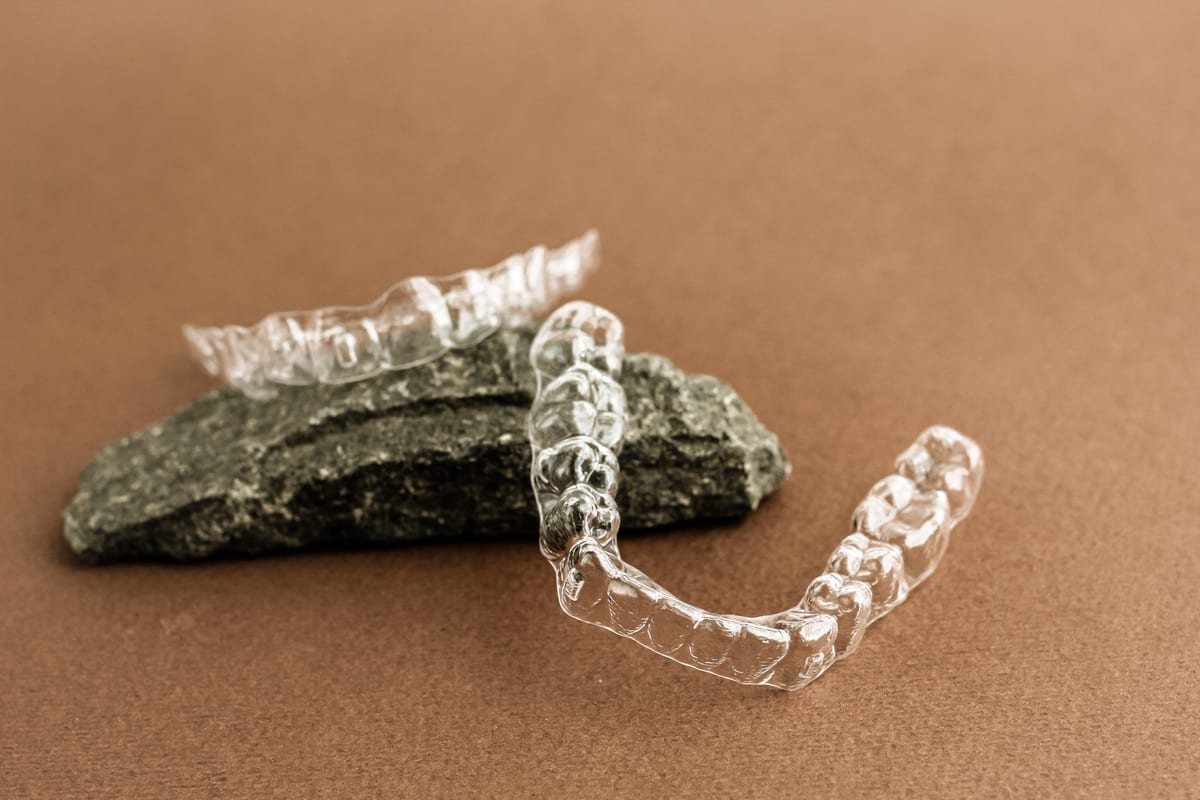
Removable retainers look similar to your Invisalign trays. They are clear, comfortable, and easy to clean. You take them out to eat and brush, then pop them back in. Many patients in Hayward prefer these because they feel familiar after months of wearing aligners.
Fixed retainers are thin wire bonds permanently attached to the back of your front teeth. You never remove them, which means you never forget to wear them. They do require more attention during brushing and flossing, but they offer continuous protection.
Here is a quick comparison to help you understand both options:
- Removable retainers are easy to clean and comfortable to wear
- Removable retainers require personal discipline to wear consistently
- Fixed retainers provide around-the-clock protection without effort
- Fixed retainers need careful flossing with a threader or water flosser
- Some patients benefit from wearing both types for maximum stability
How Long Do You Actually Need to Wear a Retainer?
This is one of the most common questions Dr. Yuen hears after Invisalign. The honest answer is that retention is a lifelong commitment — though the intensity changes over time. Most patients in Hayward follow a phased schedule.
During the first few months after treatment, patients typically wear their retainer full time. This means 20 to 22 hours per day — similar to how you wore your aligners. This initial phase is the most critical period for stabilization.
After several months of consistent wear, most patients transition to nighttime-only wear. This means wearing your retainer every night while you sleep. That schedule is manageable and sustainable for the long term.
Here is a general timeline most patients follow:
- Months 1–6: Full-time wear, removing only to eat and brush
- Months 6–12: Gradual reduction to nighttime wear as directed
- Year 1 and beyond: Nightly wear to maintain results permanently
Skipping nights here and there might seem harmless. Over weeks and months, however, even small lapses allow teeth to shift. Dr. Yuen will check your retainer fit at regular appointments to make sure everything stays on track.
What Happens If You Skip Your Retainer?
Let’s be direct. Skipping your retainer puts your results at real risk. Teeth can begin shifting within a surprisingly short window after you stop wearing one. Even a week or two of missed nights can lead to noticeable movement over time.
The most common consequence is crowding. Teeth that were beautifully aligned begin to overlap or rotate. This is especially common with lower front teeth. Once significant relapse occurs, correcting it usually requires retreatment — more aligners, more time, and more expense.
Beyond aesthetics, relapse can affect your bite. A misaligned bite creates uneven pressure on teeth and jaw joints. That can lead to wear, sensitivity, and even discomfort when chewing. Retainers protect far more than just your smile’s appearance.
If you have already noticed some shifting after Invisalign, do not panic. Dr. Yuen can evaluate the situation and recommend next steps. Early intervention is always easier than waiting. Our Cosmetic Dentistry services include solutions for patients who need to address post-Invisalign changes.
Caring for Your Retainer the Right Way
A retainer you take care of will last longer and work better. Proper maintenance is simple once it becomes part of your routine. Here are the essential habits Dr. Yuen recommends for Hayward patients:
- Rinse your removable retainer with cool water every time you take it out
- Brush it gently with a soft toothbrush — avoid toothpaste, which is abrasive
- Soak it in a retainer-cleaning solution a few times each week
- Never leave it in hot cars or expose it to hot water — heat warps plastic
- Store it in its case when not in use to prevent loss or damage
- Bring it to your dental appointments so Dr. Yuen can check the fit
Retainers do wear out over time. Clear plastic retainers typically last one to three years with regular use. Fixed retainers can last much longer but need professional monitoring. Plan to replace your retainer as needed — it is far less costly than correcting relapse.
How Retention Fits Into Your Overall Dental Health
Wearing a retainer is not just about keeping your teeth straight. It connects directly to your long-term oral health. Straight teeth are easier to clean, which reduces your risk of cavities and gum disease. Retention helps preserve those benefits over time.
Regular dental checkups are essential throughout the retention phase. During these visits, Dr. Yuen checks your bite, evaluates your retainer’s fit, and monitors any subtle shifts. Catching small changes early prevents them from becoming big problems.
For patients who need additional dental support alongside retention, our Restorative Dentistry services are available to address any concerns. Whether you need a crown, a filling, or other care, we integrate treatment seamlessly with your retention plan.
Your smile represents a meaningful investment. Retention is simply how you protect that investment every single day. Dr. Yuen and our team make it easy and straightforward for every Hayward patient who walks through our doors.
Your Next Step Toward a Lasting Smile
Finishing Invisalign is a milestone worth celebrating. But keeping those results requires an ongoing commitment to wearing your retainer. Dr. Matthew Yuen and the team at Castro Valley Advantage Dental are here to support every Hayward patient through every phase of their smile journey — including retention. Book Now to schedule your appointment with our team.
Frequently Asked Questions
How soon do I need to start wearing a retainer after Invisalign?
You should begin wearing your retainer immediately after your final Invisalign tray. Dr. Yuen typically provides your retainer on the same day your treatment completes. Starting right away gives your teeth the best chance to stabilize in their new positions. Even a short delay can allow early shifting to begin.
Can I wear my last Invisalign aligner as a retainer?
Your final aligner is not designed for long-term retention use. It will wear down faster than a dedicated retainer and may not fit correctly after your last refinements. Dr. Yuen will create a proper retainer built specifically for retention. Using the right appliance protects your results more effectively.
What do I do if my retainer feels tight after a few missed nights?
Tightness usually means your teeth have shifted slightly. Do not force the retainer if it feels painful or does not seat properly. Contact our office so Dr. Yuen can evaluate whether your current retainer still fits correctly. In some cases, a new retainer or minor refinement may be needed.
How often should I come in for retainer checkups?
Dr. Yuen recommends bringing your retainer to every regular dental appointment. Most patients visit every six months for preventive care. During those visits, he checks your retainer’s fit and monitors your bite. If any concerns arise between visits, our team encourages you to call right away.
Is retention the same for everyone after Invisalign?
Retention needs vary from patient to patient. Factors like the complexity of your original case, your age, and your bite all influence how long and how often you need to wear a retainer. Dr. Yuen creates a personalized retention plan for every patient. Following that plan is the best way to maintain your individual results.