3609 Jamison Way Castro Valley, CA 94546


If you’ve been researching smile improvements, you’ve probably come across veneers. They’re often described as a quick fix for almost every cosmetic concern. But what veneers actually fix — and what they don’t — in Castro Valley is something worth understanding before you commit. Dr. Matthew Yuen at Castro Valley Advantage Dental wants every patient to make informed decisions about their smile.
Veneers are thin, custom-made shells bonded to the front surface of your teeth. They’re typically made from porcelain or composite resin. Their purpose is to improve the appearance of your smile by changing color, shape, size, or surface texture. They are one of the most popular treatments within Cosmetic Dentistry Castro Valley patients request each year.
What Exactly Are Dental Veneers?
Veneers are wafer-thin coverings placed over the visible front surface of a tooth. A small amount of enamel is typically removed before placement. This ensures the veneer sits flush and looks natural. Once bonded, the veneer becomes a permanent part of your tooth.
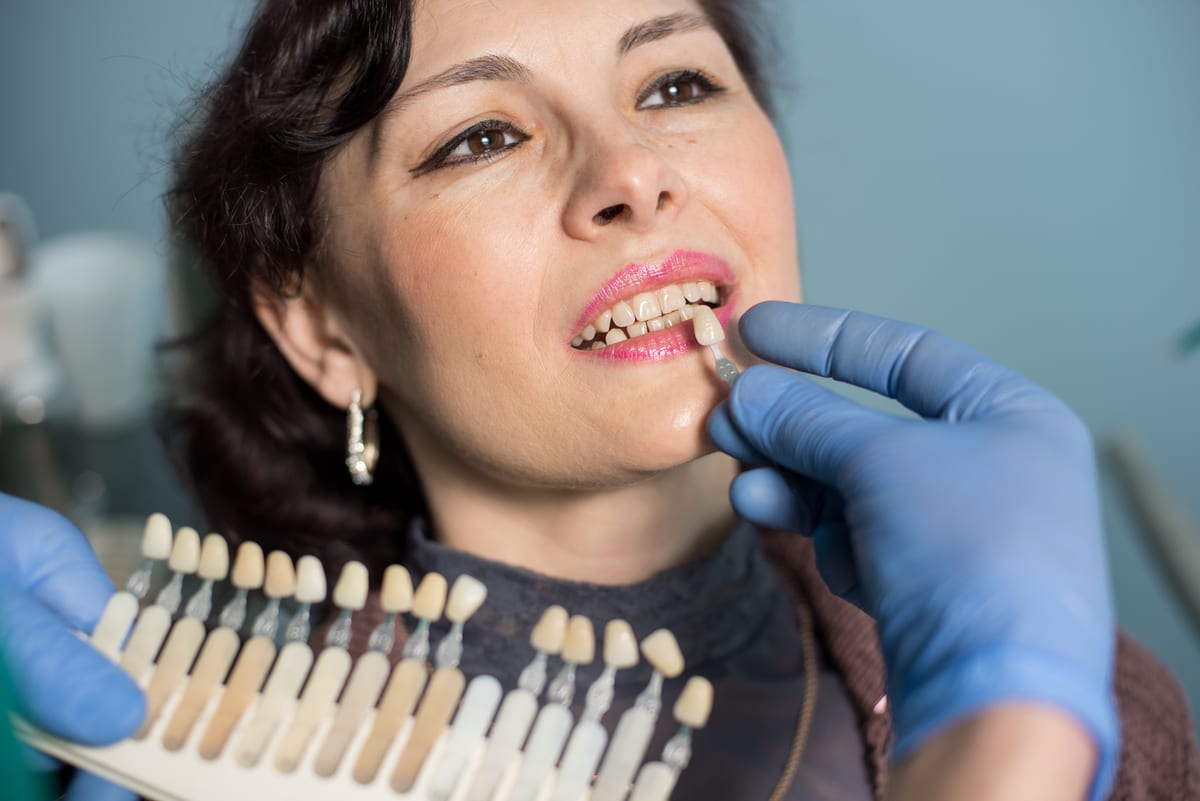
Porcelain veneers are the most durable and stain-resistant option. Composite resin veneers cost less but may not last as long. Both options can dramatically improve how your smile looks. Your dentist will help you choose the right material based on your goals and tooth condition.
The process usually takes two to three appointments. Your dentist takes impressions, a dental lab crafts your veneers, and then they’re bonded permanently. This is a minimally invasive but irreversible treatment. That’s why understanding the full picture matters so much.
What Veneers Actually Fix in Castro Valley Smiles
Veneers solve a specific set of cosmetic problems very effectively. They work best when the underlying tooth structure is healthy. Here’s a clear breakdown of what veneers are designed to address.
- Permanent staining: Veneers cover deep discoloration that whitening can’t remove, including stains from tetracycline or fluorosis.
- Chipped or cracked teeth: Minor chips and surface cracks are hidden completely beneath the veneer shell.
- Uneven or irregular shapes: Teeth that appear too small, too pointy, or oddly shaped can be resized and reshaped with veneers.
- Minor gaps: Small spaces between front teeth can be closed visually without orthodontic treatment.
- Slightly misaligned teeth: Mild crowding or uneven positioning can be corrected cosmetically with veneers.
- Worn enamel: Teeth that look dull or shortened from grinding can regain a youthful, full appearance.
Veneers are essentially a cosmetic reset button for your smile. They can correct multiple issues at once in a single treatment plan. Many Castro Valley patients use them to address years of cosmetic concerns quickly. The results are long-lasting when properly cared for.
What Veneers Cannot Fix
Here’s where clarity really matters. Veneers are cosmetic tools — not restorative or structural solutions. There are specific situations where veneers simply aren’t the right answer.
If a tooth has significant decay, that decay must be treated first. Placing a veneer over a damaged tooth won’t resolve the underlying problem. The same applies to teeth with large existing fillings. These situations often call for Restorative Dentistry Castro Valley solutions like crowns or other treatments.
Veneers also can’t fix severe misalignment or significant bite problems. Moving teeth requires orthodontic treatment like Invisalign. Applying veneers to severely crooked teeth can create functional issues. A proper evaluation will determine the right sequence of care.
- Active gum disease: Veneers cannot be placed until gum health is fully restored.
- Severely decayed teeth: Major decay requires a crown or extraction, not a veneer.
- Significant bite misalignment: Orthodontic treatment must come first.
- Teeth grinding (bruxism): Unmanaged grinding can crack veneers prematurely.
- Missing teeth: Veneers only work on existing teeth — gaps require implants or bridges.
Understanding these limitations protects you from disappointment. It also ensures you get the treatment that truly solves your problem. Dr. Yuen takes time to assess each patient’s unique situation carefully. The goal is always long-term results, not just a quick cosmetic solution.
Are Veneers Right for You? Key Questions to Ask
Not every patient is an ideal veneer candidate. A thorough consultation is essential before moving forward. There are several factors your dentist will evaluate during your visit.
Your overall oral health is the first priority. Healthy gums and cavity-free teeth are the foundation for veneer success. If there are existing issues, those are addressed before any cosmetic work begins. This protects both your health and your investment.
Your smile goals also matter a great deal. If your primary concern is alignment, Invisalign may be a better starting point. If staining is your main issue, professional whitening might be explored first. Veneers are often most effective as part of a comprehensive smile plan.
Lifestyle factors matter too. Patients who grind their teeth at night may need a night guard to protect their veneers. Those who bite nails or chew on pens risk chipping. Honest conversations with your dentist lead to the most successful outcomes.
How Long Do Veneers Last and How Do You Care for Them?
Porcelain veneers typically last 10 to 15 years with proper care. Composite veneers generally have a shorter lifespan of 5 to 7 years. Longevity depends heavily on your daily habits and maintenance routine. With the right approach, veneers remain beautiful for many years.
Caring for veneers is straightforward. Brush twice daily with a non-abrasive toothpaste. Floss every day and attend your regular dental check-ups. Avoid biting into very hard foods directly with veneered teeth.
Staining is less of a concern with porcelain veneers than with natural enamel. However, the bonding material at the edges can discolor over time. Regular professional cleanings help keep everything looking its best. Your dentist will monitor veneer condition at each visit.
Frequently Asked Questions
Do veneers require removing a lot of tooth structure?
Traditional porcelain veneers require removing a thin layer of enamel — usually less than a millimeter. This makes the process irreversible, which is why it’s important to be fully committed before starting. Some no-prep or minimal-prep veneer options exist for select patients. Dr. Yuen will discuss which approach suits your specific teeth.
Can veneers fix crooked teeth without braces?
Veneers can improve the appearance of mildly misaligned teeth cosmetically. However, they cannot correct significant crowding or bite problems. For more complex alignment issues, orthodontic treatment like Invisalign is the appropriate solution. In some cases, a combination of both treatments delivers the best result.
Will veneers look natural?
Yes — when designed and placed correctly, veneers look completely natural. Porcelain closely mimics the light-reflecting properties of real tooth enamel. Your dentist customizes the color, shape, and size to match your facial features. Patients are often surprised by how seamlessly veneers blend with surrounding teeth.
How do I know if I need veneers or a crown?
Veneers cover only the front surface of a tooth and are primarily cosmetic. Crowns cap the entire tooth and are used when a tooth is structurally compromised. If your tooth has significant decay, a large crack, or has had a root canal, a crown is likely the better option. Your dentist will take X-rays and examine the tooth thoroughly to make the right recommendation.
Is the veneer process painful?
Most patients experience little to no discomfort during the veneer process. Local anesthesia is used during the enamel preparation stage. Some mild sensitivity after preparation is normal and temporary. By the time your veneers are permanently bonded, most patients report feeling completely comfortable.
If you’re curious about whether veneers are the right fit for your smile, the best next step is a personal consultation with Dr. Matthew Yuen. Castro Valley Advantage Dental provides honest, thorough evaluations so you always know your options. There’s no pressure — just clear information and expert guidance. Book Now to schedule your appointment with our team.