3609 Jamison Way Castro Valley, CA 94546


Dental Implants: A Complete Patient Guide
Dental Implants are one of the most effective solutions for replacing missing teeth. They look, feel, and function like natural teeth. At Castro Valley Advantage Dental, our dental team helps patients understand every step of the process. This guide will walk you through what implants are, how they work, and what to expect.
What Are Dental Implants?
A dental implant is a small titanium post. It is surgically placed into the jawbone beneath your gum line. Over time, the post fuses with the bone through a process called osseointegration. This creates a stable foundation for a replacement tooth.
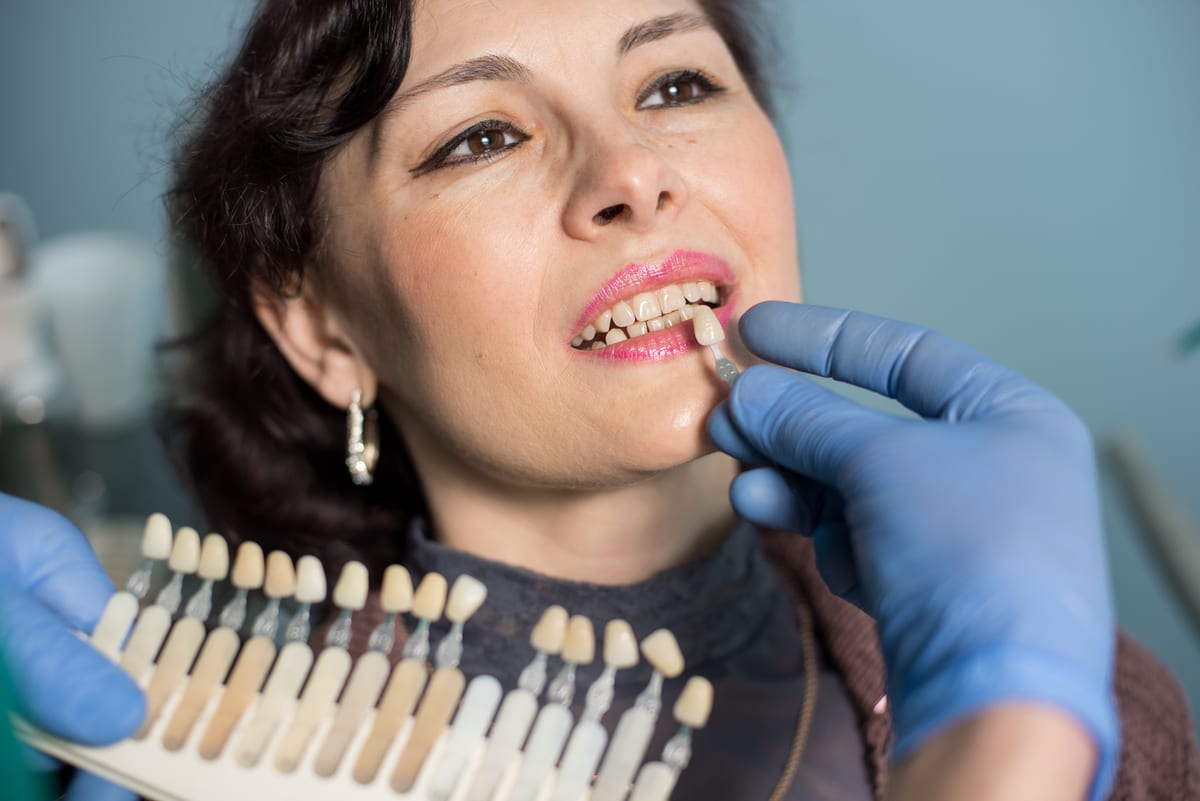
Once the post is secure, a custom-made crown is attached on top. The crown is designed to match your natural teeth in shape and color. The result is a restoration that blends seamlessly with your smile. Most people cannot tell the difference between an implant and a natural tooth.
Implants are used to replace one tooth, several teeth, or even a full arch. They are a long-term solution backed by decades of clinical research. Unlike other options, they do not rely on neighboring teeth for support. This helps preserve the overall health of your mouth.
Who Is a Good Candidate for Dental Implants?
Not everyone is immediately ready for implants. A good candidate typically has healthy gums and enough jawbone density. Bone density is important because it supports the implant post. Our dental team will assess your bone structure before recommending treatment.
Patients with certain medical conditions may need extra evaluation. Uncontrolled diabetes or active gum disease can affect healing. Smoking also slows the healing process significantly. Discussing your full medical history with your dentist is essential.
Age is another consideration. Implants are generally not placed in younger patients whose jaws are still developing. Adults of any age can be candidates if their oral health is stable. A thorough consultation helps determine if implants are the right fit for you.
- Healthy gum tissue with no active infection
- Adequate jawbone density to support the post
- Good overall health and realistic expectations
- Commitment to long-term oral hygiene habits
- Non-smoker or willingness to quit before treatment
The Dental Implant Placement Process
The implant process happens in several stages. Each stage is important for long-term success. Understanding the timeline helps patients plan ahead. Most people complete the full process over several months.
Here is a general overview of what to expect:
- Initial Consultation: Your dental team evaluates your oral health and takes X-rays or 3D scans.
- Bone Grafting (if needed): If bone density is low, a graft may be performed first to build up the area.
- Implant Placement: The titanium post is surgically inserted into the jawbone under local anesthesia.
- Healing Period: Osseointegration takes several weeks to months. The bone grows around the post during this time.
- Abutment Placement: A small connector piece is attached to the post once healing is complete.
- Crown Attachment: A custom crown is secured to the abutment, completing your new tooth.
Patients are monitored throughout each phase. Our team provides detailed aftercare instructions at every stage. Most patients report manageable discomfort during recovery. Over-the-counter pain relief is often sufficient after the procedure.
Benefits of Choosing Dental Implants
Dental Implants offer advantages that other tooth replacement options do not. They are the only restoration that replaces both the root and the crown. This helps maintain the jawbone and prevents bone loss over time. Bone loss is a common concern after tooth extraction.
Because implants fuse with the bone, they are incredibly stable. There is no slipping, clicking, or discomfort during eating or speaking. Patients can enjoy a full diet without restrictions. This improves quality of life in meaningful ways.
- Look and feel like natural teeth
- Preserve jawbone structure and facial shape
- Do not require alteration of adjacent healthy teeth
- Easy to clean — brush and floss as normal
- Can last a lifetime with proper care
- Restore full chewing function and speech clarity
Implants also support long-term oral health. They help keep surrounding teeth aligned properly. Without a tooth root, neighboring teeth can shift over time. An implant fills that gap and maintains the structure of your bite.
Caring for Your Dental Implants
Caring for implants is straightforward. You brush and floss them just like natural teeth. There are no special cleaning solutions or adhesives required. This simplicity is one reason patients prefer implants over other options.
Routine dental visits remain important after implant placement. Our team monitors the implant site during regular checkups. Early detection of any issues helps protect your investment. Visiting our services page gives you a full picture of the ongoing care we provide.
Avoiding habits that damage teeth also protects your implants. Hard foods, ice chewing, and teeth grinding can wear down the crown. If you grind your teeth at night, a custom mouthguard may be recommended. Protecting the crown helps extend the life of your restoration.
With good home care and professional maintenance, implants can last decades. Many patients report their implants functioning well for 20 years or more. The implant post itself may last a lifetime. The crown may eventually need replacement due to normal wear.
How Dental Implants Compare to Other Options
Patients often ask how implants compare to bridges or dentures. Each option has its own advantages depending on the situation. However, implants are often considered the gold standard. They provide the most natural function and appearance.
Bridges require grinding down healthy adjacent teeth for support. This permanently alters those teeth even if they are healthy. Implants do not affect neighboring teeth at all. They stand independently within the jawbone.
Dentures are removable and may feel less secure over time. Many patients experience discomfort or difficulty eating with dentures. Implants are fixed in place and do not move. They eliminate many of the daily challenges associated with removable appliances.
Understanding your options helps you make an informed decision. Our dental team is here to answer questions and walk you through comparisons. You can also learn more about our team and our approach to patient education.
Frequently Asked Questions
How long do dental implants last?
With proper care, the implant post can last a lifetime. The crown attached to the implant may need replacement after 10 to 20 years due to normal wear. Good oral hygiene and regular dental visits are key to longevity.
Is the dental implant procedure painful?
Most patients are surprised by how manageable the discomfort is. The procedure is performed under local anesthesia, so you should not feel pain during placement. Mild soreness and swelling are common for a few days afterward and are easily managed.
How many appointments does the process take?
The full process typically involves several appointments spread over a few months. This includes the consultation, placement, healing checks, and crown attachment. The exact timeline depends on your individual healing rate and whether bone grafting is needed.
Can dental implants fail?
Implant failure is uncommon but possible. Risk factors include smoking, poor oral hygiene, and uncontrolled systemic conditions. Following aftercare instructions and attending all follow-up visits significantly reduces the risk of complications.
Are dental implants suitable for older adults?
Yes, age alone does not disqualify someone from receiving implants. What matters most is overall health and sufficient bone density. Many older adults successfully receive implants and enjoy improved quality of life as a result.
At Castro Valley Advantage Dental, our dental team is committed to helping you understand your options clearly. We believe that informed patients make better decisions about their oral health. If you have more questions or want to explore whether implants are right for you, we are here to help. Learn More about how we can help you.