3609 Jamison Way Castro Valley, CA 94546


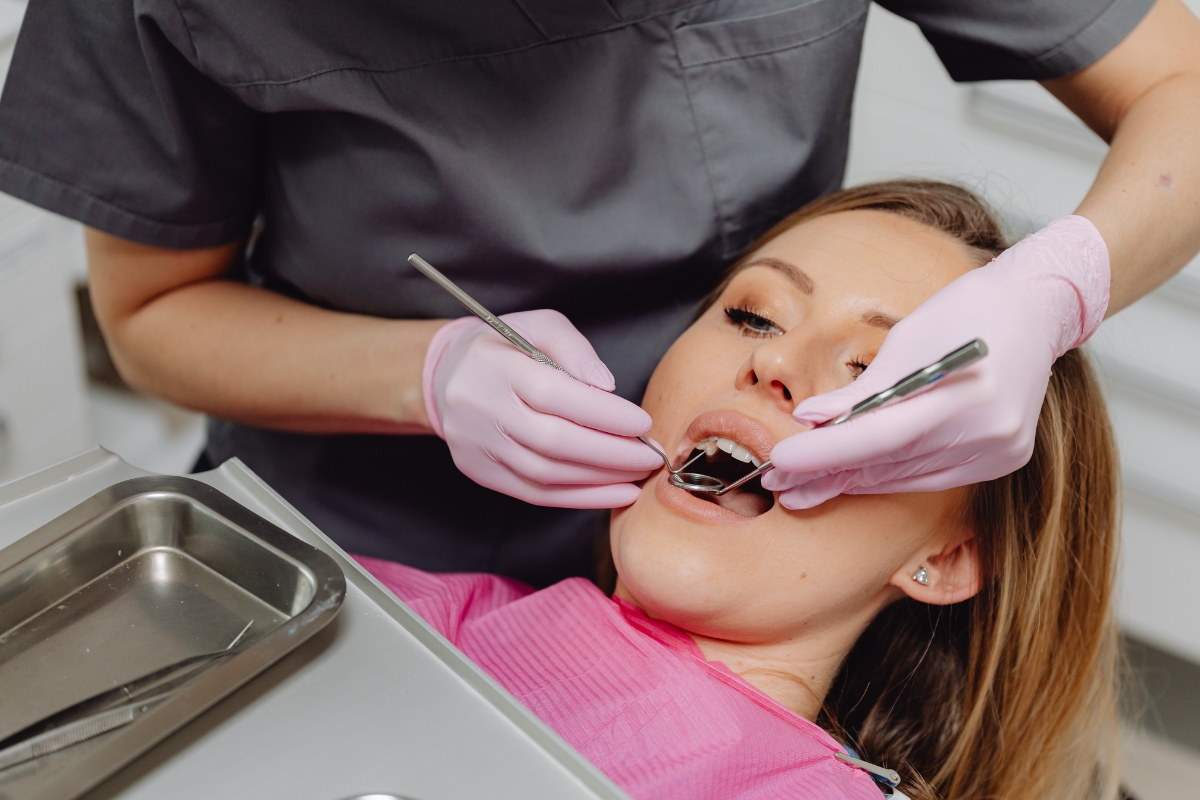
Root canals get a bad rap. Just hearing the words makes many people cringe, thanks to all the rumors and horror stories circulating. But honestly, root canals aren’t nearly as scary as they sound. At Castro Valley Advantage Dental, we’re here to clarify any concerns you may have. Root canals actually do a great job at saving teeth and stopping pain. Once you know the real story, it’s easier to relax and make the right call for your mouth. So let’s break down some of the biggest myths floating around about root canals and get to the truth.
Myth 1: Root Canals Hurt A Lot
This topic frequently arises in discussions. People picture root canals as intensely painful, but that’s just not true. Getting a root canal feels about the same as having a regular filling. Most people actually feel significantly better after the procedure than before. Thanks to modern anesthesia and new techniques, you’ll be numb and comfortable throughout the procedure. Afterward, you might have some mild soreness, but nothing you can’t handle with regular painkillers from the drugstore.
Myth 2: Only Really Badly Infected Teeth Need Root Canals
Not every tooth that needs a root canal is falling apart. Sure, deep infections and large cavities are common reasons, but sometimes we perform root canals to save teeth before the situation worsens. The idea is to keep your natural tooth in place and avoid pulling it. If you’re experiencing tooth pain or sensitivity, visit Castro Valley Advantage Dental for a checkup. We’ll let you know if a root canal is the best course of action.
Myth 3: Teeth with Root Canals Just Cause More Problems
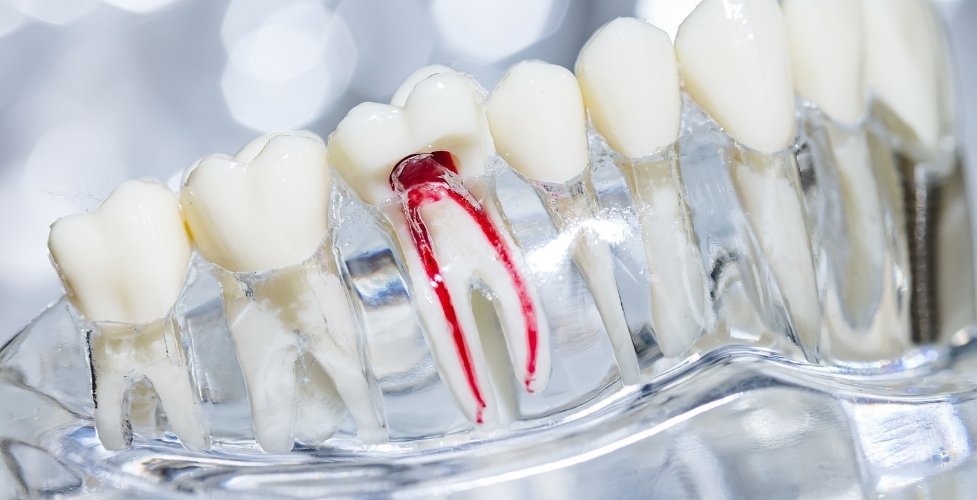
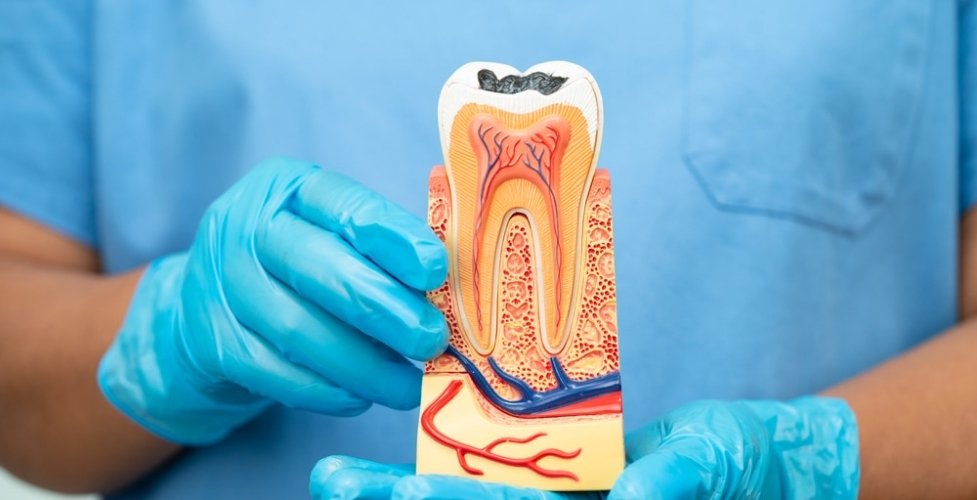
Some folks think that once you get a root canal, the tooth is doomed. That’s just not how it works. If done right, a root canal can keep your tooth healthy for years—sometimes for life. The dentist removes the decayed material inside, seals the tooth, and typically adds a crown for added strength and protection. After that, the tooth works just like any other.
Myth 4: Root Canals Make You Sick
This rumor refuses to die, even though it’s been proven wrong over and over. Groups like the American Dental Association have looked at the research, and there’s no link between root canals and other illnesses. The idea that bacteria from a treated tooth will make you sick just doesn’t hold up. Root canals are safe and effective.
Myth 5: It’s Better to Just Pull the Tooth
Pulling a tooth might sound easier, but it’s not always the right move. Losing a tooth can mess up your bite, make chewing harder, and even cause your jawbone to shrink. Root canals allow you to keep your own tooth, which is almost always preferable. Our team at Castro Valley Advantage Dental can help you determine the best course of action for your long-term health.
How We Can Help
We understand that dental work can be overwhelming, but at Castro Valley Advantage Dental, we prioritize honest advice and compassionate care. If you’re considering a root canal or have been advised that you need one, please come talk to us. We’ll explain everything, answer your questions, and ensure you understand exactly what’s happening at every step. Root canals are safe, effective, and can save your tooth—don’t let old myths keep you from getting the care you need.
Frequently Asked Questions
1. Is a root canal treatment always necessary for a tooth with a deep cavity?
Not always. In some cases, the cavity may not extend to the pulp, and a filling may be sufficient. However, if the pulp becomes infected or inflamed, a root canal may be necessary to save the tooth.
2. How long does a root canal treatment take?
Root canal treatments typically take one to two hours, depending on the complexity of the procedure. Your dentist will provide an estimated time during your consultation.
3. Can I eat after a root canal?
It’s best to wait until the numbness wears off before eating to avoid accidentally biting your tongue or cheek. Afterward, stick to soft foods for a few days to allow the tooth to heal.
4. Will my tooth require a crown after a root canal?
In most cases, yes. A crown is often needed to restore the tooth’s strength and function, as the tooth may become brittle after the procedure.
5. How do I know if I need a root canal?
Common signs include persistent tooth pain, sensitivity to hot or cold, swelling, or tenderness in the gums. If you experience any of these symptoms, it’s best to schedule an appointment with your dentist.