3609 Jamison Way Castro Valley, CA 94546



Life moves fast in Castro Valley. Between early workdays, school drop-offs, BART commutes, and family dinners squeezed in after long days, it’s easy to postpone dental cleanings, especially when everything feels fine. Many people assume skipping one visit won’t matter much. After all, no pain usually means no problem, right?
What often goes unnoticed is how preventive dental care quietly shapes long-term health spending. Routine cleanings aren’t just about a brighter smile. They play a direct role in reducing future dental and medical expenses by stopping problems early, before they turn complex and costly. Over time, those small, consistent habits can protect both your health and your finances.
In a community where people value staying active, present, and prepared, preventive care supports stability. A simple cleaning today can help avoid bigger disruptions tomorrow, financially and physically, while keeping daily routines on track.
What Preventive Dental Cleanings Really Include
A professional dental cleaning does far more than what brushing and flossing can accomplish at home. Even with good daily habits, plaque builds up in areas that are hard to reach. Over time, that plaque hardens into tartar, which cannot be removed with a toothbrush alone.
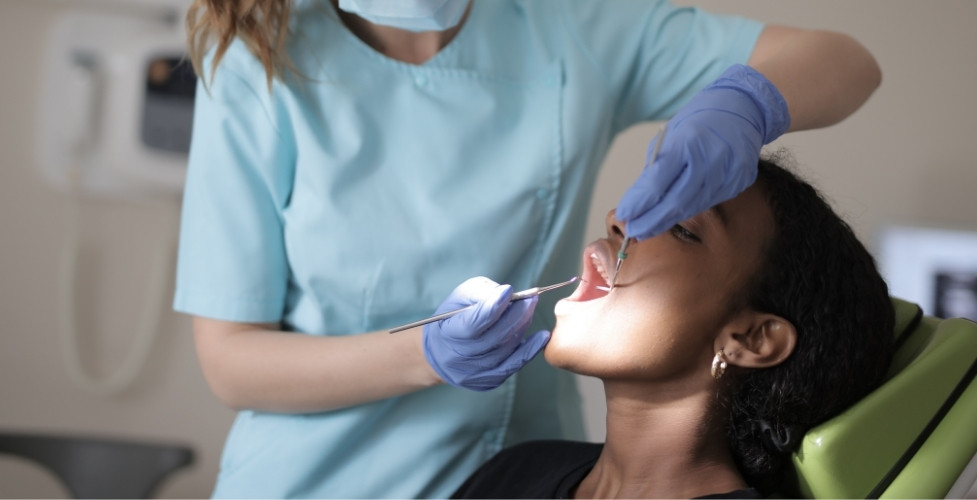
During a preventive cleaning, a dentist in Castro Valley gently removes plaque and tartar from the teeth and along the gumline. This step helps prevent cavities and reduces irritation that can lead to gum issues. The gums are also evaluated for early signs of inflammation or recession, often before discomfort appears.
Cleanings also allow for early detection. Small changes in enamel, subtle gum concerns, or wear patterns can be identified early, when solutions are simpler. This professional assessment is something home care alone cannot provide.
Rather than focusing on fixing problems, preventive cleanings focus on stopping them from forming in the first place. That proactive approach supports long-term oral health while helping patients avoid more involved procedures later.
The Real Cost of Skipping Preventive Cleanings
When preventive cleanings are skipped, plaque and bacteria continue to build quietly. Over time, this can lead to cavities, gum disease, and even tooth loss. These issues rarely appear overnight. They start small, often without noticeable symptoms, and gradually progress.
From a financial standpoint, the escalation matters. A routine visit is predictable and manageable. In contrast, treating advanced decay or gum disease often involves multiple appointments, more extensive care, and longer recovery periods. What could have been addressed early may require more complex solutions later.
This isn’t about fear. It’s about understanding progression. Minor issues are easier to manage when caught early. Left unchecked, they tend to demand more time, more resources, and greater long-term impact. Preventive cleanings act as a stabilizing factor, helping patients avoid unexpected dental emergencies that disrupt schedules and budgets alike.
How Oral Health Directly Affects Overall Medical Costs
Oral health doesn’t exist in isolation. The condition of your gums and teeth can influence overall health, particularly when inflammation is present. Chronic gum inflammation has been associated with broader health concerns that may increase long-term medical needs.
Inflammation in the mouth can place additional stress on the body, affecting how systems respond over time. Preventive cleanings help control this inflammation by reducing bacteria and maintaining healthy gums. This consistent care supports the body’s natural balance and lowers the likelihood of complications that extend beyond oral health.
From a healthcare perspective, prevention matters. When oral health is maintained, patients are less likely to face cascading medical concerns that require additional monitoring or intervention. Regular cleanings become part of a broader wellness strategy, one that supports long-term health while helping manage future healthcare spending more effectively.
Preventive Cleanings as a Long-Term Financial Strategy
Think of preventive cleanings the way you think about routine car maintenance. Oil changes don’t feel urgent until something breaks, but they prevent far more expensive repairs down the road. Dental cleanings work the same way.
Consistency reduces risk. When care is predictable, outcomes are more stable. Regular cleanings lower the chance of sudden dental emergencies that require immediate attention and disrupt daily life. They also allow patients to plan their care instead of reacting to unexpected problems.
Over decades, this consistency adds up. Fewer emergencies, fewer major procedures, and more control over healthcare decisions. Preventive cleanings support financial predictability while helping patients maintain comfort and confidence throughout different life stages.
Why Early Detection Saves More Than Just Teeth
Many dental concerns don’t cause discomfort in their early stages. Small cavities, early gum changes, or subtle wear often go unnoticed without professional evaluation. Preventive cleanings create opportunities to spot these issues early.
Early detection by a professional dentist in Castro Valley leads to shorter treatment timelines and simpler solutions. Addressing a minor concern early typically requires less time and fewer resources than managing an advanced condition later. This approach protects teeth while also reducing cumulative healthcare spending over a lifetime.
By identifying concerns before symptoms appear, patients avoid disruption and stress. Preventive visits act as checkpoints, ensuring small changes are managed early, before they grow into problems that affect health, schedules, and finances.
Preventive Care for Every Stage of Life
Preventive cleanings adapt as needs change, offering value at every age:
- Children: Regular cleanings help prevent cavities, support healthy development, and build positive habits early.
- Adults: For busy professionals balancing work and family, prevention helps avoid unexpected dental issues that interrupt routines.
- Seniors: Cleanings help protect existing dental work and maintain comfort, supporting long-term oral stability.
Each stage brings different priorities, but the goal remains the same: maintaining health while reducing the need for complex care. Preventive cleanings evolve with you, providing lifelong benefits that extend beyond the dental chair.
Preventive cleanings play a quiet but powerful role in lowering lifetime dental and medical costs. By stopping problems early, supporting overall health, and creating predictable care patterns, they help patients avoid unnecessary complications over time.
The real value lies in peace of mind. Knowing your health is being monitored, your care is proactive, and your future expenses are more manageable brings confidence. That stability supports better outcomes, not just for teeth, but for overall wellness.
At Castro Valley Advantage Dental, preventive care is centered on patients, not pressure. If it’s been a while since your last cleaning, planning today can help protect your health and your future. A simple appointment now can make a meaningful difference over the years ahead.
People Also Ask
How often should preventive dental cleanings be scheduled?
Most people benefit from cleanings every six months. However, some may need more frequent visits based on gum health, buildup patterns, or overall oral conditions.
Can preventive cleanings really help avoid major dental treatments?
Yes. Cleanings help remove harmful buildup and allow early detection of small issues before they require complex or time-consuming procedures.
Do cleanings help even if I brush and floss daily?
Daily care is essential, but professional cleanings reach areas that home care cannot. They remove hardened tartar and help maintain healthy gums.
Is preventive dental care connected to overall health?
Healthy gums support the body by reducing inflammation. Preventive care helps maintain oral balance, which plays a role in overall wellness over time.
Are preventive cleanings beneficial at every age?
Yes. Cleanings support cavity prevention in children, stability for adults, and protection of existing dental work as people age.