3609 Jamison Way Castro Valley, CA 94546


Tooth loss affects millions of adults across the United States every year. Whether caused by decay, gum disease, or injury, losing a tooth can affect far more than appearance. Many people begin searching for a permanent solution that restores both function and confidence.
Dental implants are often recommended because they closely replicate the structure of natural teeth. Unlike removable options, implants are designed to become part of your mouth and provide long-term stability. Patients frequently ask whether this option is truly worth the investment compared to other solutions.
For residents of Castro Valley and nearby East Bay communities, the decision often involves considering comfort, durability, and long-term value. Understanding how dental implants’ treatment works, along with its benefits and costs, can help patients make informed choices.
This guide explains how implants function, why many dentists recommend them, and who may benefit most from this advanced tooth replacement option.
What Are Dental Implants and How Do They Work?
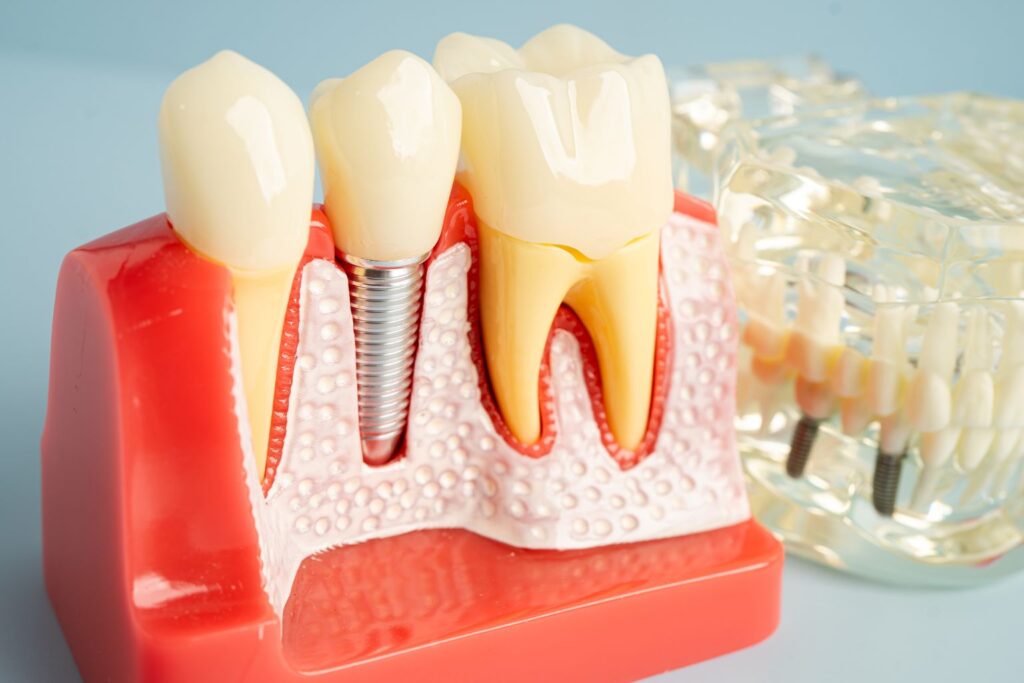
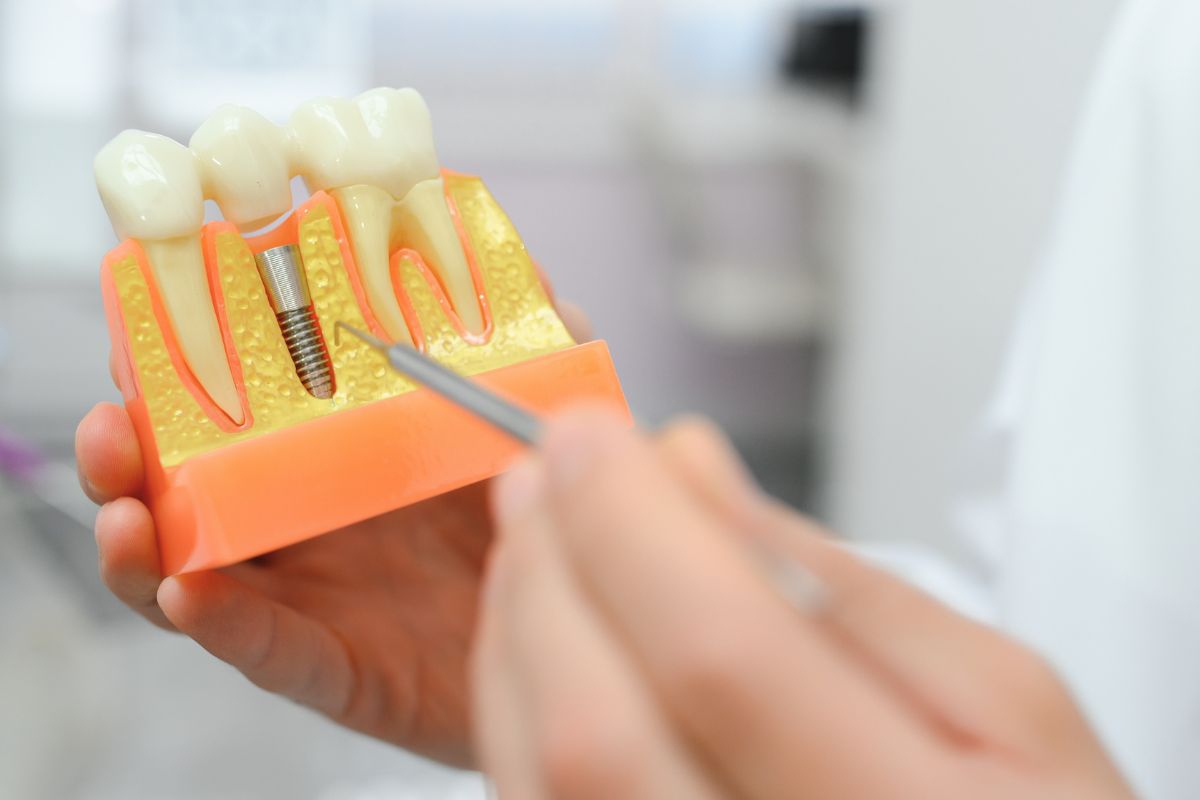
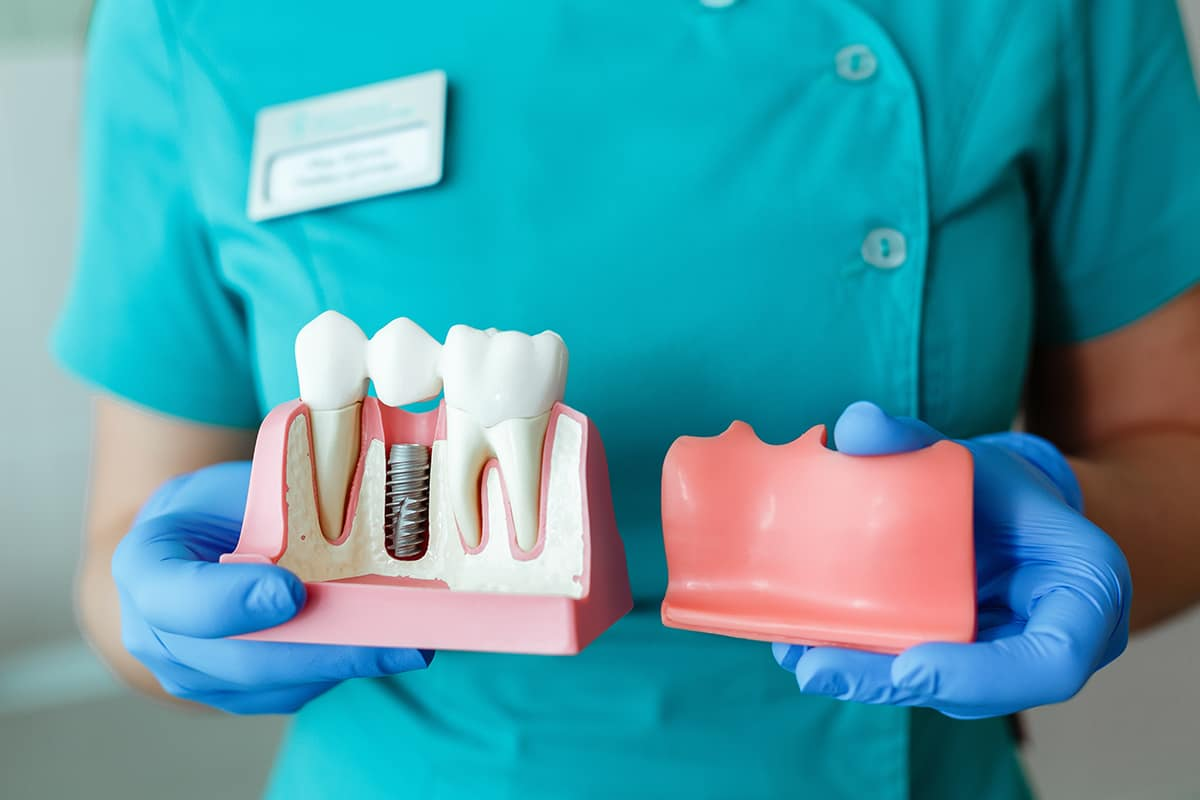
Dental implants are artificial tooth roots designed to replace missing teeth in a way that closely resembles natural tooth structure. The implant itself is typically made from medical-grade titanium, a material known for its strength and ability to bond with bone tissue.
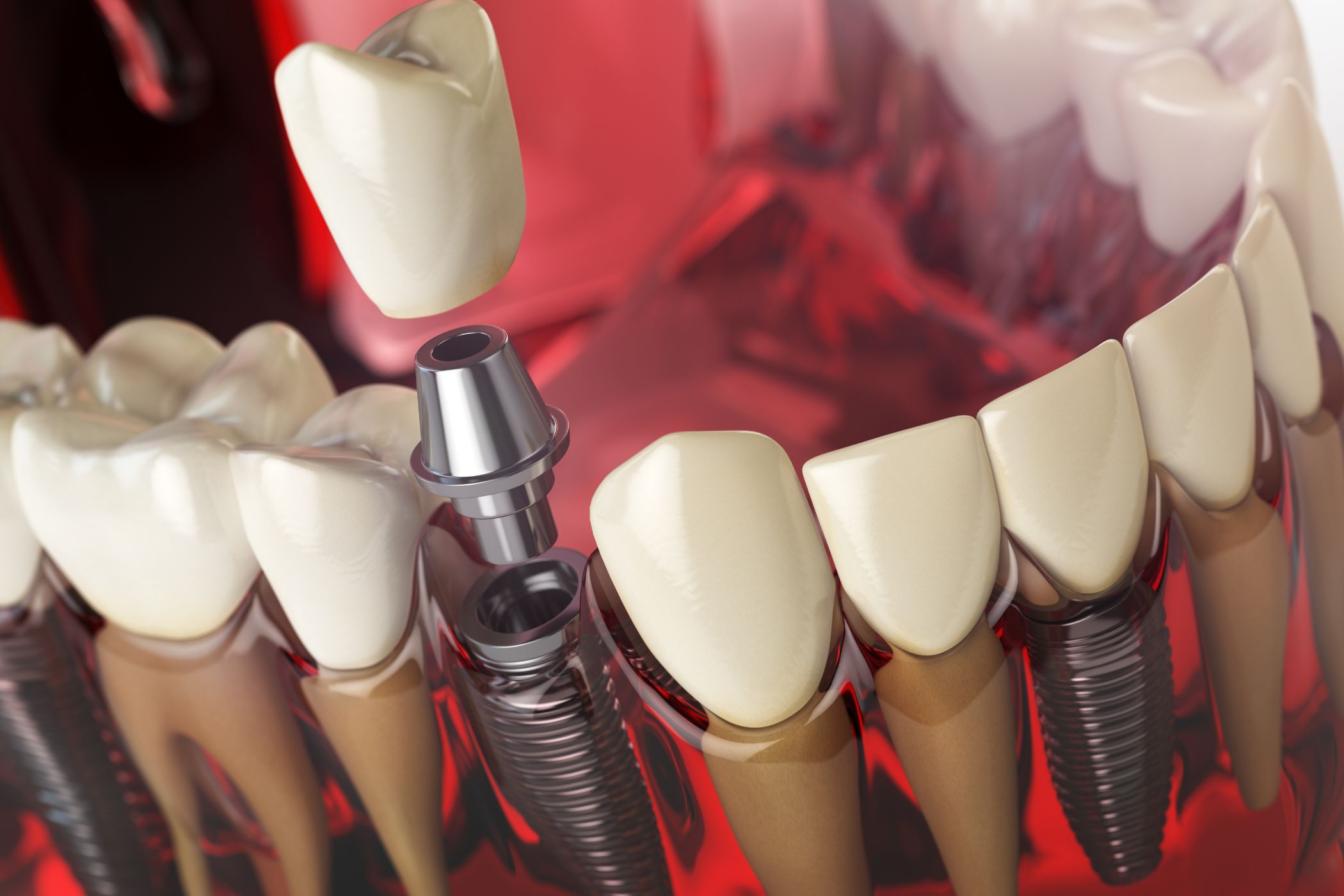
The implant post is surgically placed into the jawbone where the missing tooth once existed. Over time, the bone naturally fuses with the implant through a process called osseointegration. This biological bonding allows the implant to become stable and secure, much like a natural tooth root. Once healing is complete, a custom crown is placed on top of the implant to restore the appearance and function of the tooth.
The process usually occurs in several stages. During the first step, patients attend a consultation where their oral health, jawbone density, and overall suitability are evaluated. Advanced imaging may be used to ensure precise planning.
Next, the implant post is carefully placed in the jawbone during a minor surgical procedure. After placement, the healing phase begins. This stage typically lasts several months and allows the implant to integrate fully with the bone.
Once the implant has bonded with the jawbone, a custom dental crown is attached to the implant. This crown is designed to match the surrounding teeth in shape, size, and color, creating a natural-looking result.
For many patients visiting Castro Valley Advantage Dental, this modern approach to tooth replacement provides a strong and long-lasting solution that restores both comfort and confidence.
Why Many Dentists Recommend Dental Implants
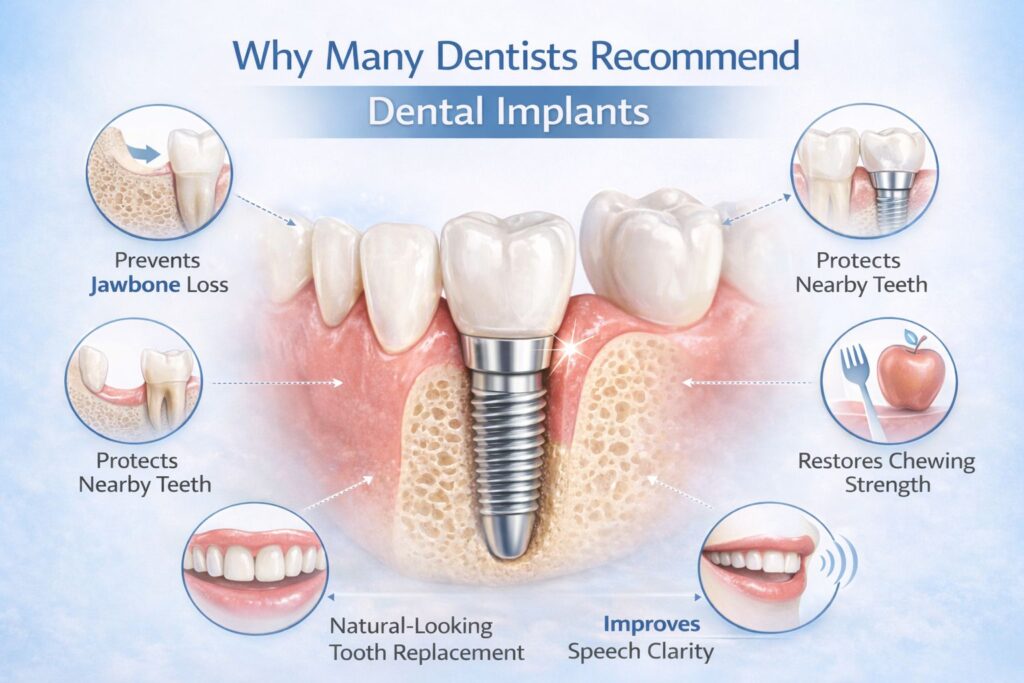
Dentists often recommend implants because they address several problems caused by tooth loss. Unlike other replacement methods, implants interact with the jawbone and surrounding structures in a way that supports long-term oral health.
Key reasons dental professionals recommend implants include:
- Prevents bone loss
When a tooth is missing, the jawbone beneath it begins to shrink. Implants stimulate the bone and help maintain its structure. - Does not affect nearby teeth
Traditional bridges rely on adjacent teeth for support. Implants stand independently, protecting the health of surrounding teeth. - Restores chewing ability
Many patients regain the ability to eat foods comfortably, from crisp apples to hearty meals enjoyed at local Castro Valley restaurants. - Improves speech clarity
Missing teeth or loose dentures can affect speech. Implants provide stability that allows clearer pronunciation. - Provides a natural appearance
Implant crowns are custom-made to blend seamlessly with natural teeth.
For residents who enjoy outdoor dining at Castro Valley Marketplace or weekend gatherings at Lake Chabot Regional Park, being able to eat comfortably and smile confidently makes a meaningful difference in everyday life.
Key Benefits of Dental Implants for Patients
Natural Look and Feel
Dental implants closely replicate the structure of natural teeth. Because the implant is anchored into the jawbone, it provides a realistic appearance and sensation when speaking or chewing. Most people find that implants quickly become indistinguishable from their natural teeth.
Strong and Stable Bite
One of the biggest frustrations with removable dentures is instability. Implants eliminate this issue by anchoring securely within the jawbone. This stability allows patients to enjoy a wider range of foods without worrying about slipping appliances.
Long-Term Durability
Implants are designed to last for many years. With proper oral care and regular dental visits, the implant post can remain functional for decades. Many patients choose implants because they provide a long-term solution rather than a temporary fix.
Improved Confidence
Missing teeth can affect self-confidence, especially in social or professional settings. Whether attending community events near Redwood Canyon or meeting friends at a local café, implants allow patients to smile, laugh, and speak comfortably.
Supports Jawbone Health
When a tooth is lost, the bone that once supported it begins to deteriorate. This process can eventually affect facial structure and overall oral health. Because implants stimulate the jawbone, they help maintain bone density and preserve facial shape.
For patients seeking dental implant treatment in Castro Valley, these combined benefits often make implants one of the most effective restorative options available today.
Understanding the Cost of Dental Implants in the U.S.
The cost of dental implants can vary depending on several factors. Each patient’s needs are different, and treatment plans are tailored accordingly. Understanding what influences cost helps patients plan their care more effectively.
One major factor is the number of implants required. Replacing a single missing tooth typically involves one implant and crown, while replacing multiple teeth may require additional implants or specialized restorations.
Bone grafting or sinus lift procedures may also influence cost. These treatments help rebuild bone structure when jawbone density is insufficient to support an implant.
The type of restoration placed on the implant also plays a role. Custom crowns, implant-supported bridges, or full-arch restorations can vary in complexity.
Technology and experience also contribute to treatment planning. Practices that use advanced imaging and digital planning tools often achieve greater precision and predictability.
Geographic location can also influence pricing. Dental services in metropolitan areas of California may differ from those in other parts of the country.
Many dental offices help patients manage expenses through financing programs or payment plans. Some insurance plans may cover portions of restorative treatment as well.
Are Dental Implants Worth the Investment Long-Term?
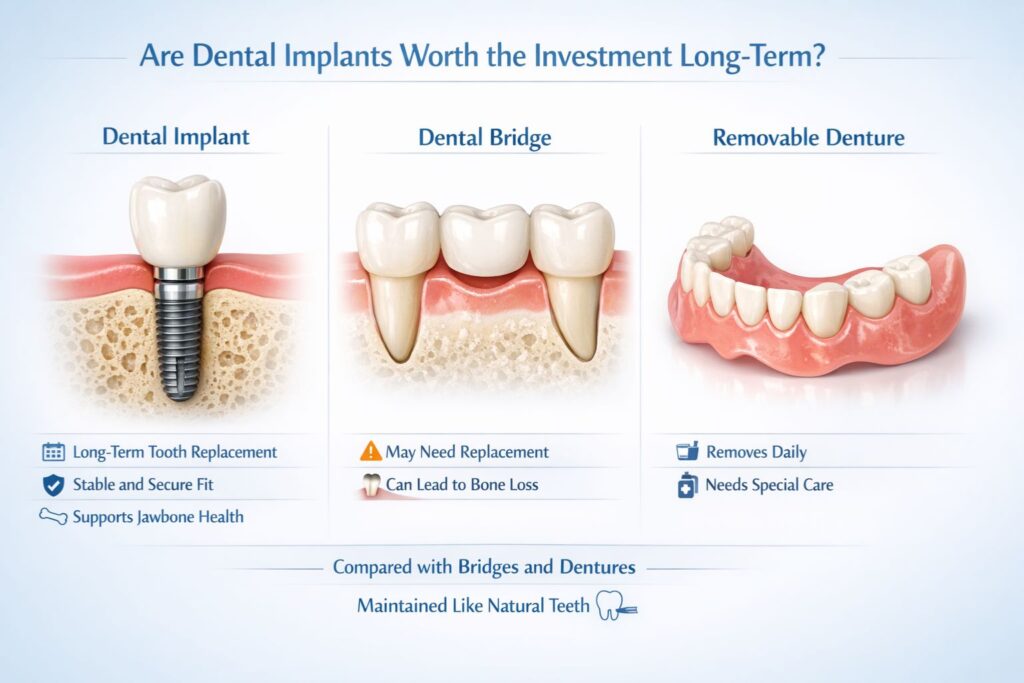
When evaluating tooth replacement options, many patients look beyond the initial cost and consider long-term value. Dental implants are often viewed as an investment because they address multiple aspects of oral health simultaneously.
Compared with bridges or dentures, implants offer a significantly longer lifespan. Traditional dental bridges may need replacement after ten to fifteen years because they rely on neighboring teeth for support. Dentures typically require adjustments or replacement within five to ten years as the jawbone gradually changes shape. Implants, however, are designed to integrate with the bone and can remain stable for decades.
Another important factor is stability. Dentures may shift during eating or speaking, which can create discomfort or inconvenience. Implants remain firmly anchored, allowing patients to chew confidently and enjoy a wide range of foods without restriction.
Maintenance also differs among these options. Dentures require removal for cleaning and may need special adhesives. Bridges require careful cleaning beneath the restoration. Implants, however, are maintained similarly to natural teeth through brushing, flossing, and routine dental visits.
Over time, the need for repairs, replacements, or adjustments to other treatments can add to their overall cost. Many patients find that implants provide better long-term value because they require fewer replacements and contribute to maintaining jawbone health.
For individuals seeking a reliable and durable tooth replacement solution, implants often represent a practical choice that supports both oral health and quality of life.
Who Is a Good Candidate for Dental Implants?
Dental implants can be an excellent option for many patients, but suitability varies depending on individual health factors. A thorough evaluation helps determine whether implants are the right solution.
Candidates for implants typically have one or more missing teeth and healthy gum tissue. Adequate jawbone density is also important because the implant relies on bone support for stability. Patients who maintain good oral hygiene and attend regular dental visits often experience the most successful outcomes.
Overall health also plays a role. Conditions that affect healing or bone health may require additional evaluation before implant placement.
Lifestyle factors matter as well. Patients who are committed to caring for their oral health through brushing, flossing, and routine checkups tend to maintain implants successfully over the long term.
The best way to determine candidacy is through a consultation with a qualified dental professional. At Castro Valley Advantage Dental, patients receive personalized evaluations that consider their dental history, bone health, and long-term treatment goals.
How Long Do Dental Implants Last?
One reason many patients choose implants is their durability. The titanium implant post itself can last twenty-five years or longer, and in many cases, it may last a lifetime.
The crown attached to the implant typically lasts between ten and fifteen years before needing replacement due to normal wear. Replacing the crown is usually a straightforward procedure.
Research shows that dental implants have a success rate of approximately 95–98 percent when placed and maintained properly. This high success rate reflects advancements in materials, imaging technology, and surgical techniques.
Maintaining implants requires many of the same habits used to protect natural teeth. Regular dental visits allow dentists to monitor the implant and the surrounding tissues. Daily brushing and flossing help prevent plaque buildup that could affect gum health.
Patients are also encouraged to avoid chewing hard objects such as ice or hard candies, which may damage the crown.
With proper care, implants can provide reliable function and comfort for decades.
Dental implants have become one of the most reliable solutions for replacing missing teeth. They restore both function and appearance while helping preserve jawbone health. Their durability and stability often make them a worthwhile long-term option for many patients.
For individuals who want a lasting solution rather than temporary fixes, implants can significantly improve comfort, confidence, and everyday oral function.
If you are considering tooth replacement options, scheduling a consultation is the best way to learn what approach fits your needs. The team at Castro Valley Advantage Dental provides personalized guidance and advanced care to help patients restore healthy, confident smiles.
Booking an appointment allows you to explore whether implants are the right choice for your oral health and long-term goals.
What People Ask
How long does the dental implant process take?
The complete dental implant process may take several months. This timeline includes implant placement, healing time for bone integration, and the placement of the final crown.
Who is not a good candidate for dental implants?
People with severe bone loss, uncontrolled gum disease, or certain medical conditions may not immediately qualify for implants. A dental consultation can determine the most appropriate treatment options.
Do dental implants look like natural teeth?
Yes, dental implants are designed to closely match the appearance of natural teeth. Custom crowns are crafted to blend with the surrounding teeth for a natural-looking smile.
How successful are dental implants?
Dental implants have a high success rate, typically between 95 and 98 percent. Success depends on factors such as oral health, bone density, and proper aftercare.
How soon can you eat normally after dental implant surgery?
Patients are usually advised to eat soft foods during the initial healing period. Normal eating habits typically resume once the implant has fully integrated with the jawbone.